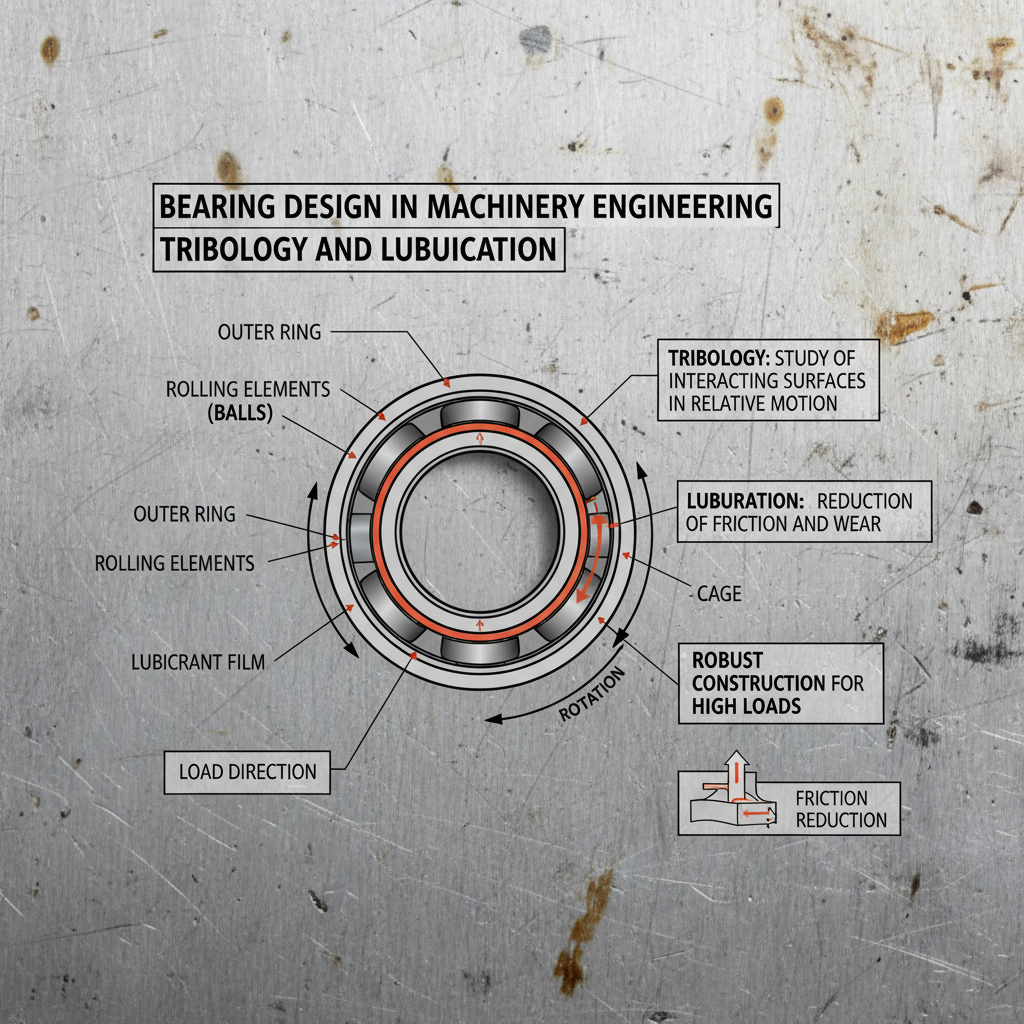
In the precision-driven world of industrial machinery, the role of high-performance bearings is paramount to operational efficiency. The 6200 2rs bearing represents a critical intersection of durability and precision, serving as a foundational component in countless mechanical assemblies globally. Understanding the specifications and application of such components is essential for engineers seeking to minimize downtime and maximize machine longevity.
Across various sectors, from automotive manufacturing to textile machinery, the demand for components that can withstand rigorous radial loads while maintaining high-speed rotation is ever-increasing. The implementation of a 6200 2rs bearing allows for a seamless transition of motion, reducing friction and preventing premature wear in complex gearboxes and motor shafts.
However, selecting the wrong bearing type can lead to catastrophic failure, especially in environments prone to shaft deflection or mounting errors. By focusing on the specific mechanical properties and load ratings associated with the 6200 2rs bearing, industries can ensure their equipment operates within safe parameters while achieving optimal energy efficiency and output.


The architectural design of the 6200 2rs bearing family is characterized by two raceways in the inner ring and a common sphered raceway in the outer ring. This unique geometry grants the bearing an inherent self-alignment property, allowing it to accommodate angular misalignments typically ranging from 1.5° to 3°.
This capability is indispensable in industrial settings where shaft deflection or mounting errors are common. By absorbing these misalignments, the 6200 2rs bearing prevents excessive stress on the shaft and housing, thereby extending the service life of the entire mechanical assembly.
The primary advantage of the 6200 2rs bearing is its ability to handle angular misalignments between 1.5° and 3°. This is critical in applications where shafts may deflect under load or where mounting precision is imperfect. By automatically adjusting to these errors, the bearing prevents uneven stress distribution, which significantly reduces the risk of premature failure and extends the overall lifespan of the equipment.
While the 6200 2rs bearing is specifically designed and optimized for radial loads, it is capable of supporting a certain amount of axial load. However, it is not a dedicated thrust bearing. If your application requires significant axial support, it should be used in conjunction with other bearing types or checked against its specific load ratings to ensure it doesn't exceed its axial capacity.
You should choose the tapered bore version (typically 1:12) when dealing with shafts that lack a shoulder for positioning. When paired with an adapter sleeve, the tapered bore 6200 2rs bearing allows for precise axial positioning on a smooth shaft and makes the mounting and dismounting process much more convenient, while also allowing for the adjustment of radial internal clearance.
The 6200 2rs bearing is exceptionally well-suited for high-speed rotation. Although its overall load capacity is lower than that of cylindrical roller bearings, its low friction coefficient allows it to operate at very high RPMs without overheating. This makes it ideal for high-velocity motors and lightweight industrial spindles where speed is the primary requirement.
Yes, it is highly suitable. Agricultural machinery often operates in environments with significant vibration and potential shaft misalignment due to uneven terrain. The self-aligning nature of the 6200 2rs bearing ensures that it can compensate for these movements, reducing the frequency of bearing replacements in the field and improving the reliability of greenhouse and farming equipment.
For the 6200 2rs bearing, the choice between grease and oil depends on the speed and temperature. Grease is preferred for sealed applications to prevent contamination, while oil is better for very high-speed operations to dissipate heat. Regular inspection of lubrication levels is recommended to prevent friction-induced wear and maintain the bearing's efficiency.
In summary, the 6200 2rs bearing stands as a vital component for modern industry, blending the ability to self-align with the capacity for high-speed rotation. By effectively managing radial loads and compensating for shaft deflection, it ensures that machinery operates with minimal friction and maximum reliability. Whether used in standard configurations or specialized tapered bore versions, its versatility makes it indispensable for maintaining productivity across various mechanical sectors.
Looking forward, the continued evolution of bearing materials and the integration of smart monitoring will only enhance the value of the 6200 2rs bearing. For engineers and procurement managers, prioritizing high-precision, standardized components is the most effective strategy for reducing long-term operational costs and enhancing equipment safety. We invite you to explore our full range of precision solutions to optimize your machinery's performance. Visit our website: www.arybearing.com

 Afrikaans
 Albanian
 Amharic
 Arabic
 Armenian
 Azerbaijani
 Basque
 Belarusian
 Bengali
 Bosnian
 Bulgarian
 Catalan
 Cebuano
 Corsican
 Croatian
 Czech
 Danish
 Dutch
 Esperanto
 Estonian
 Finnish
 French
 Frisian
 Galician
 Georgian
 German
 Greek
 Gujarati
 Haitian Creole
 Hausa
 Hawaiian
 Hebrew
 Hindi
 Miao
 Hungarian
 Icelandic
 Igbo
 Indonesian
 Irish
 Italian
 Japanese
 Javanese
 Kannada
 Kazakh
 Khmer
 Rwandese
 Korean
 Kurdish
 Kyrgyz
 Lao
 Latin
 Latvian
 Lithuanian
 Luxembourgish
 Macedonian
 Malgashi
 Malay
 Malayalam
 Maltese
 Maori
 Marathi
 Mongolian
 Myanmar
 Nepali
 Norwegian
 Norwegian
 Occitan
 Pashto
 Persian
 Polish
 Portuguese
 Punjabi
 Romanian
 Russian
 Samoan
 Scottish Gaelic
 Serbian
 Sesotho
 Shona
 Sindhi
 Sinhala
 Slovak
 Slovenian
 Somali
 Spanish
 Sundanese
 Swahili
 Swedish
 Tagalog
 Tajik
 Tamil
 Tatar
 Telugu
 Thai
 Turkish
 Turkmen
 Ukrainian
 Urdu
 Uighur
 Uzbek
 Vietnamese
 Welsh
 Bantu
 Yiddish
 Yoruba
 Zulu
 English